I Went a Week Without my Phone (sort of)
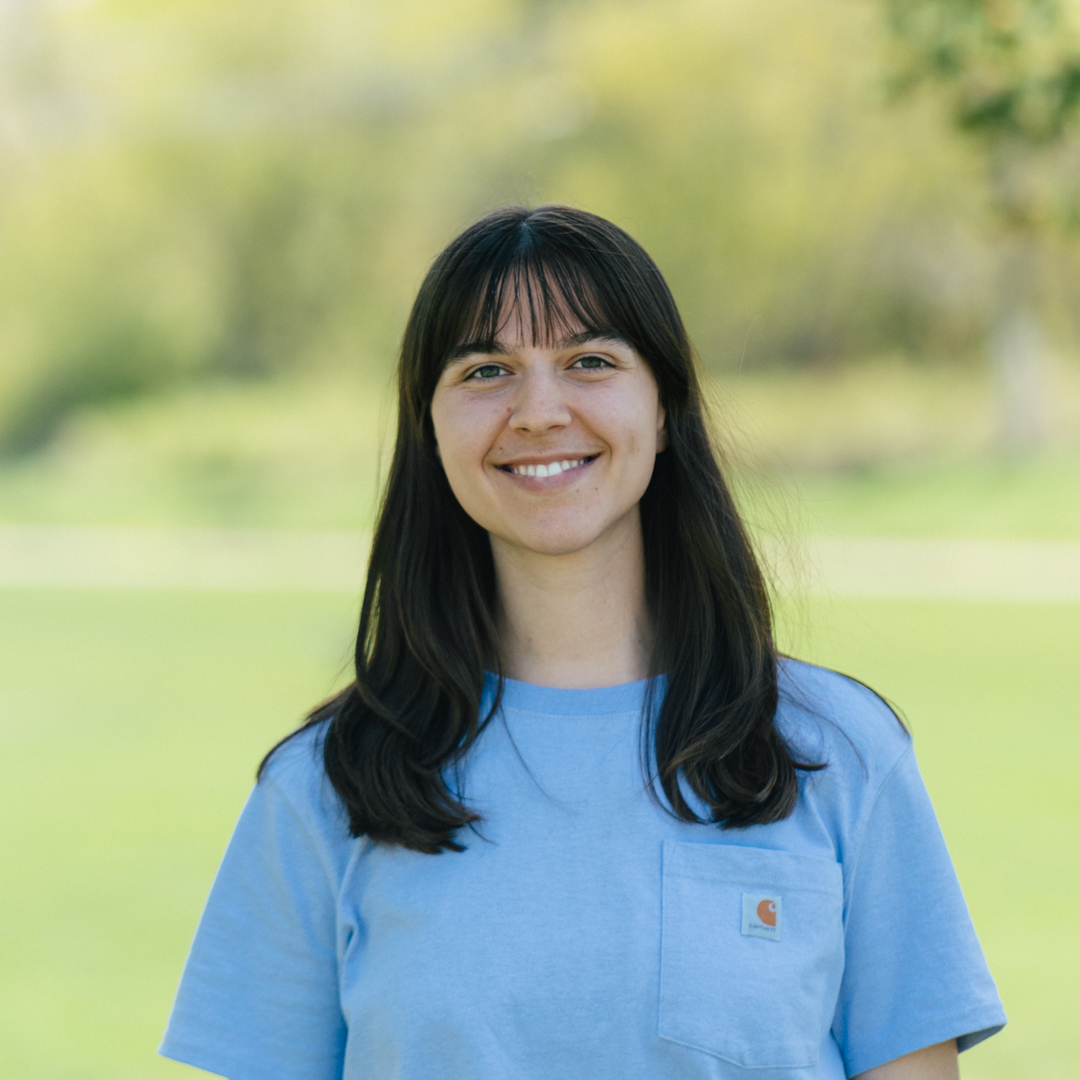
Around the time I got my first Instagram I also went on my first EPI trip. It was the end of middle school and my nerves surrounding EPI’s unplugged policy had less to do with being offline and more to do with being disconnected from my parents. This was 2014, and students weren’t really using their phones in class yet. The idea of not talking to family for the week was much scarier than missing out on my Instagram feed (though that would come soon enough!)
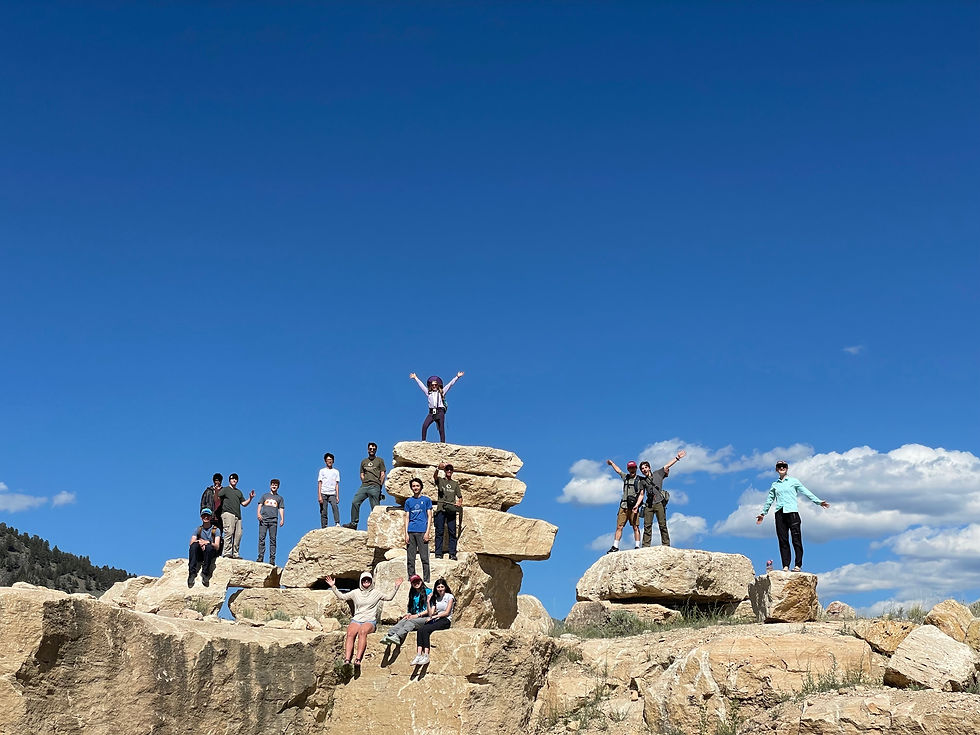
Fast forward 12 years to this past March when I went on my first EPI course as an adult and employee. Each year, the EPI Admissions department sends our team members on one course with the goal of helping us build competency in our jobs. By getting out into the field, we learn the ins and outs of a course experience, then share it with parents, educators, and students upon our return. My 2026 trip? Eight days in Yellowstone National Park with a charismatic crew of 12 high schoolers and 2 chaperones from Ipswich, Massachusetts for a Winter Ecology course.

Although adults don’t have to go unplugged on EPI courses, I decided to go as unplugged as possible while also discreetly texting my partner now and again with updates. I wanted to challenge myself to feel as connected to the student experience as possible. Plus, a week without my phone sounded nice. This time around, my fears of being offline had shifted with my age.
What scared me most was falling behind on work emails, missing updates from friends, the relaxation of a good TV show after a long day of work, and the instinctive, dopamine-spurring act of pulling my phone out to check for notifications. But above all, the biggest question swirling around in my mind was: how in the world do I talk to high schoolers? With these floating anxieties, and uncertainty as to whether I could actually follow through on the challenge I’d set for myself, I plunged into the unknown.
A week (mostly) without my phone
Day 1: Getting my bearings
I was nervous about the whole challenge on day 1. Driving from Missoula to Yellowstone, I did my darndest to chat with one of the instructors despite the fact that we’d woken up at 5 AM to hit the road. I also napped and attempted to eat a gas station breakfast burger, a largely unsuccessful (and regretful) endeavor.
Once we met the students at the airport, I was thrilled watching them pass over their phones to the instructors. Jokes rattled off as nerves swelled, but there was an excitement—a curiosity— at play too. I tucked mine away as well to play name-games and learn faces. Once we arrived at the quaint hostel nestled along the curving Yellowstone River, I sent a few final texts then turned on airplane mode without looking back. I wandered from my room to the lodge and joined the crew.
Seeing everyone without their phones at that first gathering was pure magic. I’m not an educator and I don’t work directly with students, so I wasn’t sure what to expect. But in a world where most people, no matter their age, are so often glued to their devices, it delighted me to see this bunch of people interacting. Eyes were up and the room was chatty, the students rowdy and excited. I saw my teenage self reflected in them, eager to connect and build bonds with nothing inhibiting the process. This was going to be a good week.

Days 2-4: Where I learn youth slang
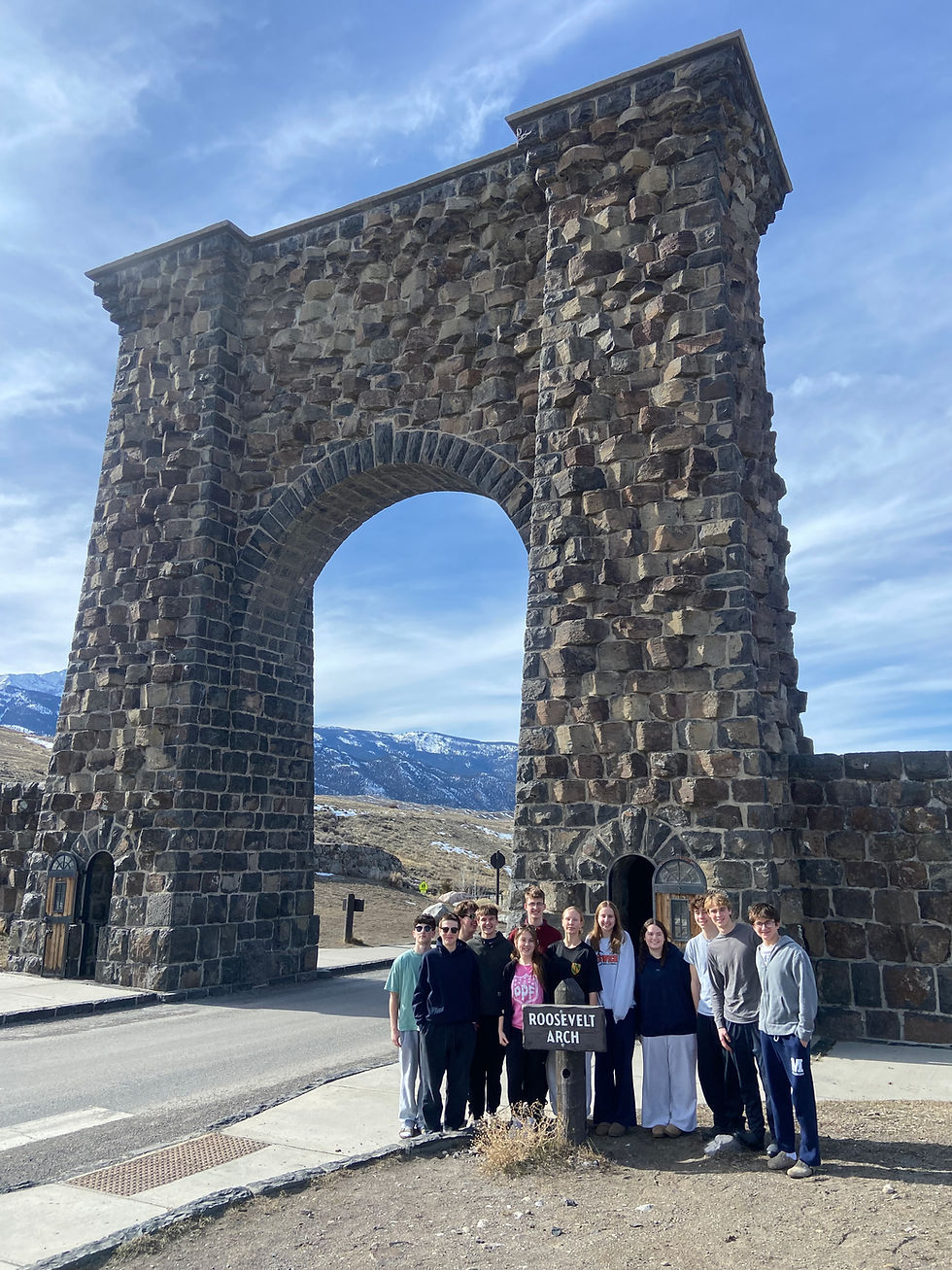
Our days basically went as follows: wake up, breakfast around 7:30 AM, clean up, games or lessons, drive into the park for research and learning, a bit of free time in the late afternoon, an evening lesson, dinner, clean up, games and bed—the schedule on an EPI trip is no joke. Each day was active, engaging and community-oriented, and I knew straight off the bat that the students in this group wanted to be there. Everyone was social, open-minded, connected and excited. It was infectious.
The first thing I noticed without my phone was how often I reached for it to take photos. I had brought a digital camera instead, something I wanted to use more but struggled with in day-to-day life. I enjoyed the sensation of holding it in my hands, exploring its features and having fun with its zoom capacities.
During the long stints of driving, the car thoroughly entertained me, namely the unhinged and off-hand comments rattling among students. The first few days I opted to stay quieter, but my confidence to socialize grew as each day passed and I got to know the students better. I learned new words and got more comfortable cracking a joke here and there, poking fun at the students, and tuning into lessons when the instructors needed attention.
I learned that the high schoolers I was with were creative and curious. They picked up the lessons quickly, asked lots of questions, and exerted more energy than I ever thought possible. My favorite moments happened during dinner prep. Each night, a group of students made dinner for everyone. This involved obscenely loud music, singing, dancing, and a lot of onion chopping. My fear of “talking to high schoolers” dissipated as we collaborated on the meal and had, frankly, way too much fun chopping vegetables.
At night in my room, when I most felt the urge to relax with a nice scroll on my phone, I’d take a minute or two to check in on my partner, then pop my phone back into airplane mode and read. Ah, to read in the quiet of nature along the bend of a river after a long day outside. It was pretty nice, I won’t lie. The idealism didn’t last long seeing as most nights I’d make it 3 pages before passing out. EPI days are tiring.

Days 5-8: Bison poop and a magical fox
On day 5, I caved and brought my phone for the day because I wanted to share my music with the kids (a few were quick to let me know they didn’t like my music taste. Thanks, guys). By the latter half of the trip, everyone was tired but still motivated as heck to take on the days. We were in a flow with our schedule, and everyone was comfortable.
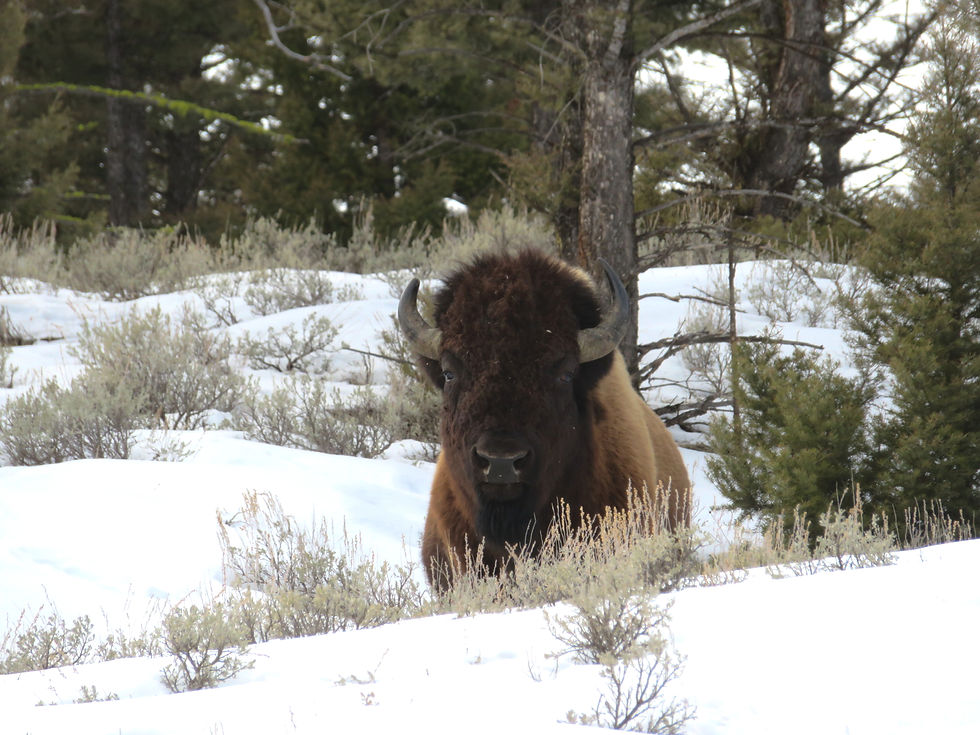
One of the final days included sampling bison poop, which is way harder than you might think. Let me paint the picture: first, we set up telescopes near a herd of bison and waited until we spotted one pooping. Once the bison finished its business, we recorded its demographic information while simultaneously fixing a scope on the pile of its fresh doodoo. Then, we had to wait for the bison herd to wander far enough away from the poop to safely collect a sample—and let me tell you, bison love to dilly-dally. After waiting forever for them to move far enough away, we poured onto the field and tracked down the poop via hand signals from a few students who stayed at the scopes.
In a field of literally thousands of poop piles, this was quite an ordeal and truly hysterical to watch. But, we did it! Then came the part where the bravest of our group put on gloves and —yes— dug into the pile to get samples. Now you know.

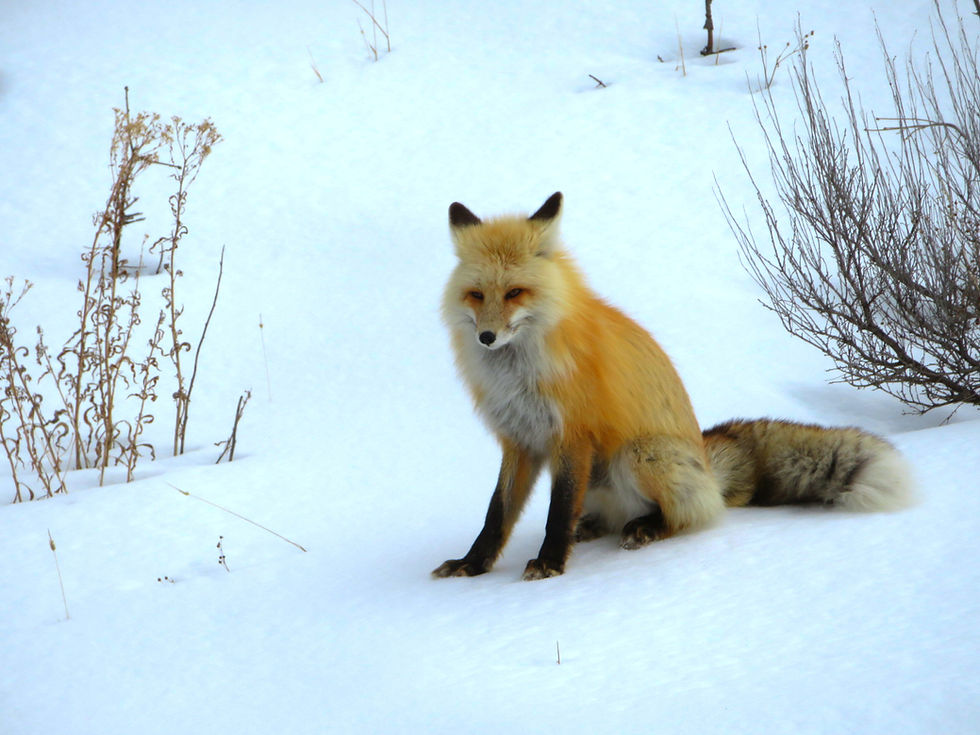
On our second-to-last day in the park, we hiked to Trout Lake for lunch. Everyone slid down the path on the short descent to the lake, which had morphed into an icy slide. After settling in at a nearby forest clearing, someone spotted a small orange fox trotting around the edge of the lake. A few minutes later, the fox popped up just below us and approached the group.

Although I knew our fox friend shouldn’t have been that close, I was mesmerized by the sudden opportunity to see it so clearly. Its coat was a brilliant shade of orange against the snow, and it circled the group several times before the instructors managed to scare it off. The fox demonstrated what’s called “habituation,” a process in which animals stop fearing humans, putting both in danger. We were lucky the fox left before the situation escalated further.
During the fox encounter, I snapped a few photos before my camera died. I’m grateful for the ones I got: it was a unique moment that I hope to remember for a long time.
Final thoughts
The trip culminated in a wonderful night at Montana State University (though I’m a Griz through and through!), where students presented their research projects and everyone ate pizza. We created a big web out of string and reflected on the ways in which we had supported each other throughout the week.
As for me? I’m proud to say that I rose to the challenge I set for myself and kept my phone off for most of the week. There were bored moments, yes, but there was more observation, more curiosity, and more time to actually talk to high schoolers and see how awesome they are.
Although EPI trips center on ecology, conservation and outdoor education, they offer a window into a different kind of reality: a full week of living, learning, playing and exploring without a phone. How often do people of any age get the chance to immerse completely in nature alongside friends, old and new? When do we get a good, solid break from the incessant flow of information to be close to the outdoors and each other?
While it’s not a reality for day-to-day life because we need our phones for many different reasons, it reminded me that meaningful, in-person connection and exploration are part of the human equation. Getting offline once in a while can benefit us all.
I’m grateful for the trip and, mostly, for the students I got to know during my week. They brought out the best in me, reminded me to have fun, and taught me some weird slang. Here’s to a great week (mostly) without my phone!