top of page
Search


The World’s Aquarium in the Face of the Climate Crisis—and How Young People Can Help Save It
The Gulf of California, also called “the Sea of Cortez”, is known as “the world’s aquarium”, and for good reason: it is home to more than 900 species of fish and welcomes gray whales, whale sharks, and green turtles, while also containing mangroves, and coral reefs. In this sanctuary the impacts of climate change are already being deeply felt. Faced with a reality that can feel overwhelming, we at EPI Mexico believe that young peoplecan and must be involved in creating soluti

Luis Diego Molina
Aug 11


I Went a Week Without my Phone (sort of)
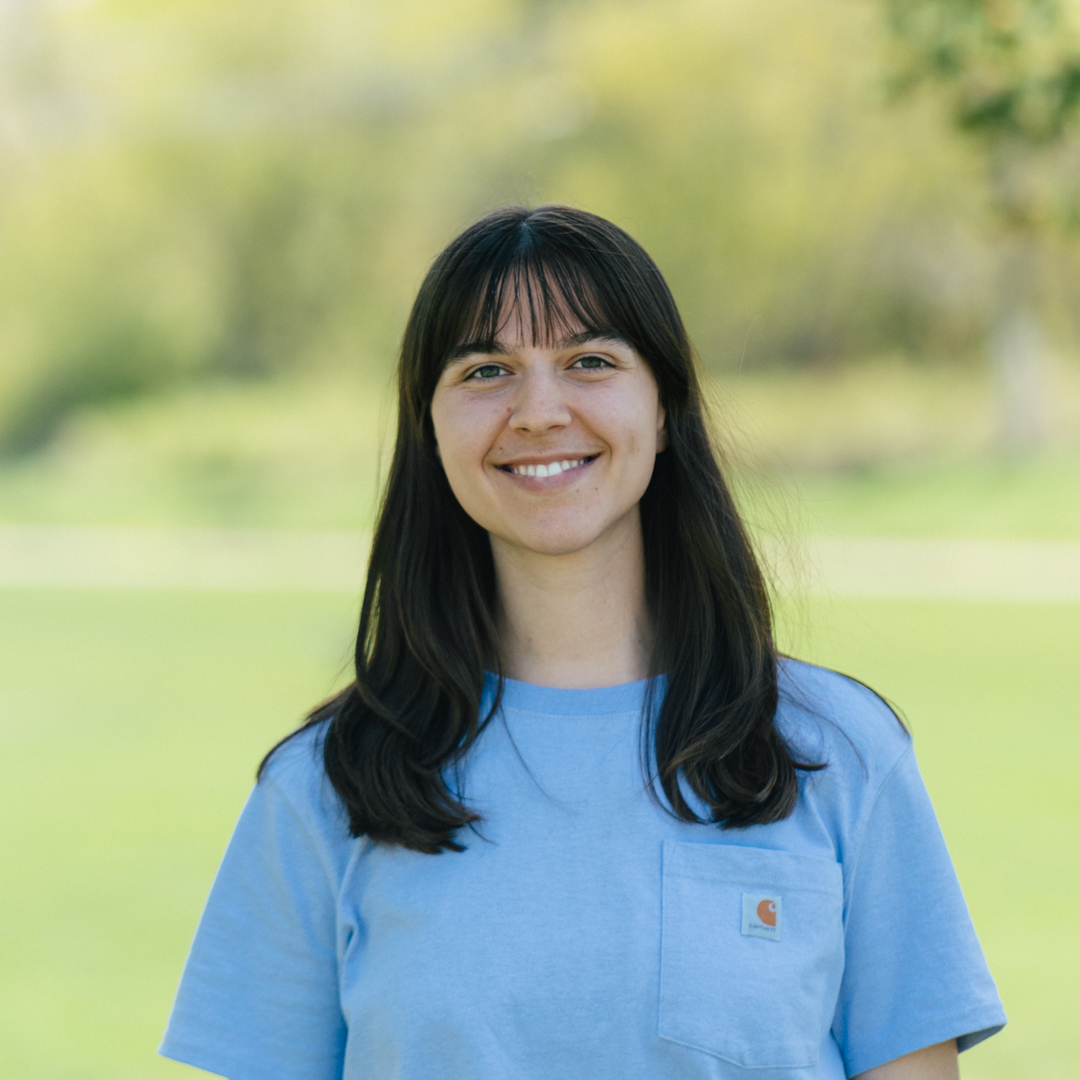
Around the time I got my first Instagram I also went on my first EPI trip. My nerves surrounding EPI’s unplugged policy had less to do with being offline and more to do with being disconnected from my parents. 12 years later I went on my first EPI course as an adult and employee. Although adults don’t have to go unplugged on EPI courses , I decided to go as unplugged as possible. I wanted to challenge myself to feel as connected to the student experience as possible. Here is
Gabriella Stokstad
Aug 4


Yellowstone at a Crossroads: Science and Resilience in the Face of Climate Change
Yellowstone was the first national park ever created anywhere in the world, with a history spanning more than 150 years. And although it remains one of the least human-altered landscapes in the United States, the impacts of climate change are already becoming visible across this iconic conservation area. EPI students learn about this impacts through participatory science while collecting data for ongoing research
Luis Diego Molina
May 26


Nature’s Calendar: Phenology and Participatory Climate Science
For the past three years, Joe has closely observed the flowering process of a serviceberry tree (Amelanchier alnifolia) outside his office. As he explained during the webinar, something as simple as watching leaves and flowers emerge in early spring can be a powerful way to do climate science.
Luis Diego Molina
Apr 29


Galápagos in the Face of Climate Change: An Urgent Lesson from a Natural Laboratory
The Galápagos Islands were fundamental to our understanding of life's evolution on Earth, but the effects of climate change are already evident in this natural sanctuary. Because they are islands, their ecosystems are extremely fragile and now face serious risk. Faced with this alarming reality, Ecology Project International (EPI), in partnership with the local organization ECOS, is strengthening its commitment to working with young people through conservation-focused educati
Luis Diego Molina
Mar 12


Lessons from the River: Why Riparian Forests Matter More Than We Think
Healthy rivers don’t happen by accident. In this webinar recap, Rad Watkins explains how forested watersheds and thriving riparian zones prevent flooding, reduce erosion, filter pollutants, and protect water quality. Learn why native vegetation along riverbanks is essential—and how simple human actions can either restore or degrade an entire river system.
Luis Diego Molina
Feb 25


Belize’s Coral Reefs on the Climate Frontlines: How EPI Engages Students in Real Solutions
Coral reefs in Belize are revealing early bleaching signals, and students document these shifts with the Coral Watch protocol, contributing data to global monitoring efforts. This hands-on reef science anchors their learning as they explore climate impacts, build critical thinking skills, and return home motivated to take meaningful action.
Luis Diego Molina
Dec 5, 2025


Sea Turtles in a Warming World: How EPI Teaches Climate Change in Costa Rica
Climate change is reshaping life at Costa Rica’s Pacuare Reserve. Rising sand temperatures skew sea turtle hatchlings toward all females, and coastal erosion threatens nesting sites. EPI students witness these impacts firsthand, joining nightly beach patrols, collecting data, and learning how science and conservation practices help protect endangered turtles.
Luis Diego Molina
Oct 16, 2025
bottom of page